Small Group Discussion Method from "The Art of Teaching"

I've written several pieces about challenges instructors face during training sessions. This time, I want to cut straight to the chase and discuss one of the core techniques every professional trainer should master: the small group discussion method.
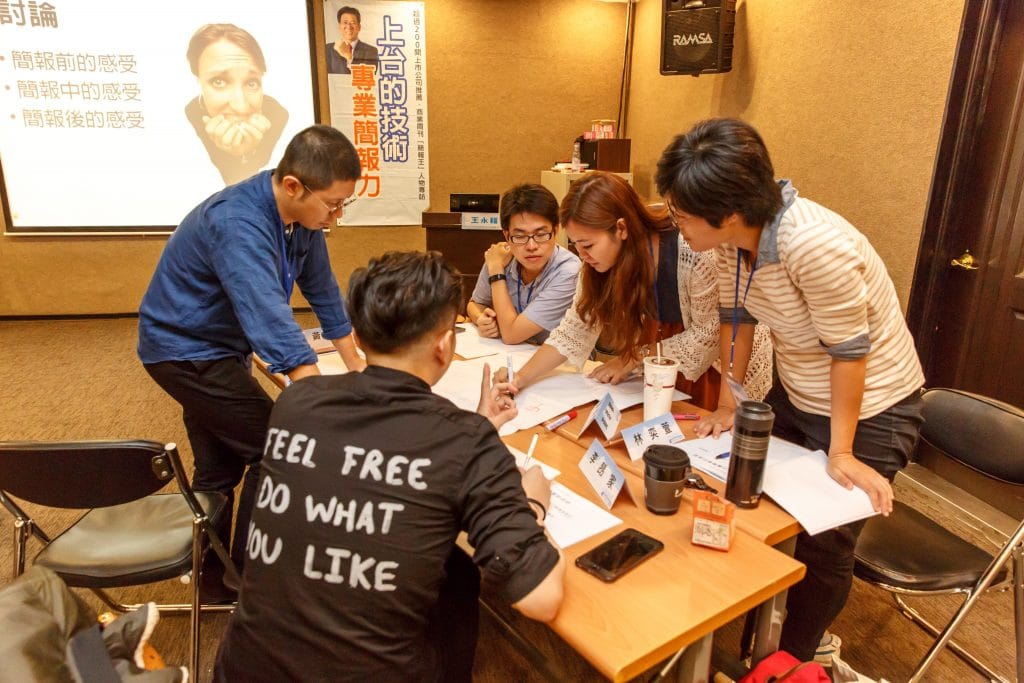
Let me start with an example from my own corporate training sessions. Even after delivering a strong opening (which I'll teach later), building trust and breaking the ice with participants (I'll write about that too), and warming up the room with simple hand-raising interactions and Q&A (also coming in future posts!), I always sense that the atmosphere remains somewhat cold. While there's interaction and some basic conversation with me as the instructor, you can feel that the energy flow is still very much top-down—from the stage to the audience. The room doesn't truly come alive until I introduce one crucial teaching activity:
Small group discussions!
Here are some examples: If you're teaching meeting management, you might ask, "What are common problems you encounter in company meetings?" For a course on interview skills for managers, try "What questions do you typically ask job candidates?" In product design training, consider "What processes does your company's product design include?" Or for quality management, ask "What tools or methods are used in quality management?"
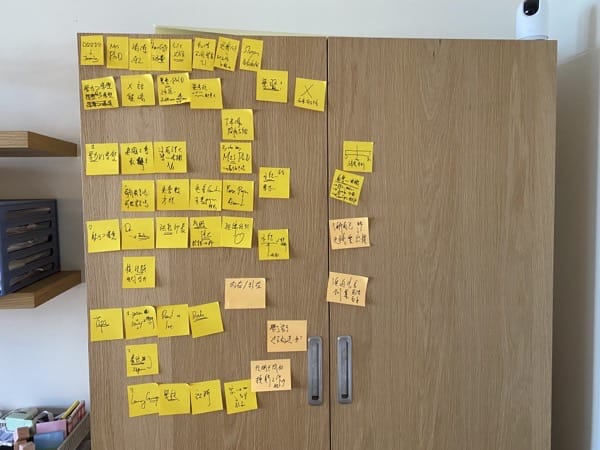
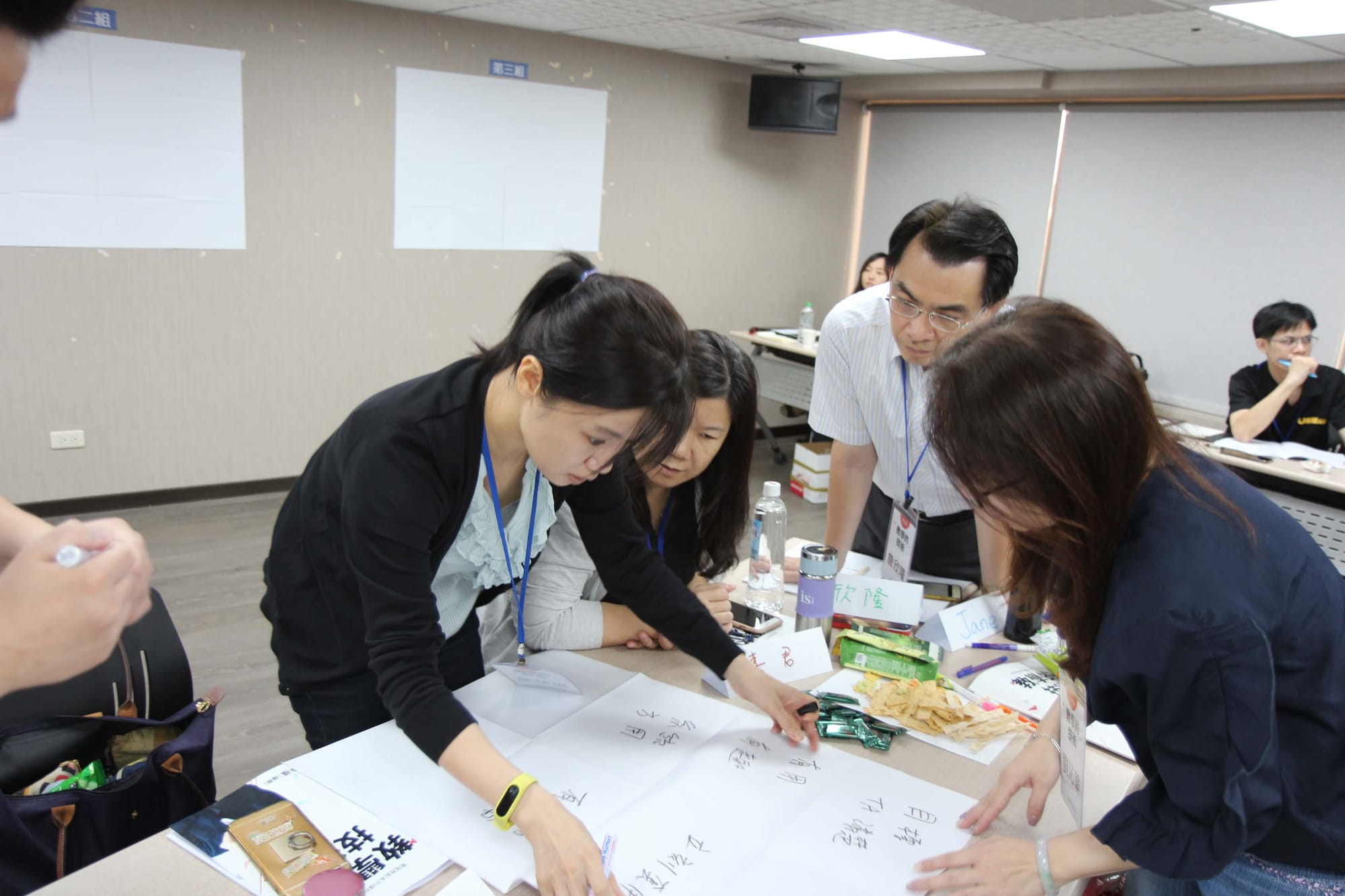
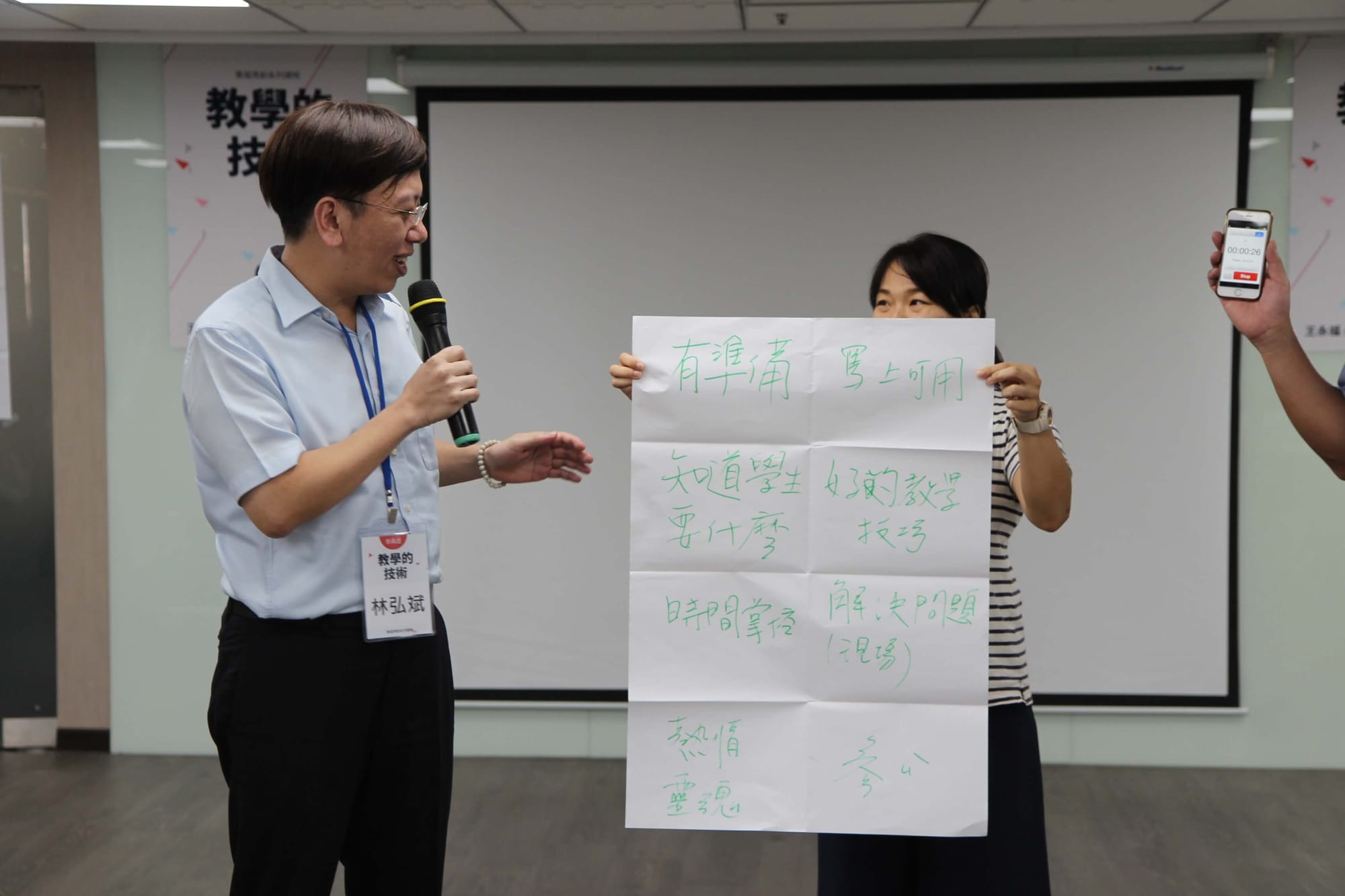
Once these questions appear on your slide, have participants write their answers on large flip chart paper within a specific time limit (90 seconds, 2 minutes, 3 minutes, or 5 minutes). When time's up, ask everyone to stop discussing and invite several groups (or all groups if the class is small) to present their findings. Set time limits for presentations too, then move to the next group when time expires. After all presentations, the instructor consolidates everyone's input and provides their own insights or solutions. Participants then learn more deeply by comparing their initial answers with the instructor's additional perspectives.
The entire process flows: Instructor poses question → Students discuss → Students present → Instructor summarizes. This is how the small group discussion method works.
Sounds simple, right? If it's so straightforward, why don't more people use it effectively? Based on my experience, there are two main mental barriers:
Barrier 1: "Lecturing is faster; small group discussions take too much time"
This argument seems logical on the surface—pure lecturing is certainly faster than having participants discuss, present, and then summarize. But why not just give the conclusions upfront? Because people aren't computers. Students don't automatically absorb and retain everything just because an instructor says it.
During lectures, the teacher talks and students listen. But during small group discussions, after the instructor poses a question, students must think, discuss verbally, and write down their thoughts—they go through multiple engagement stages. It's impossible to zone out completely! So while lecturing teaches fast, it's also quickly forgotten. Small group discussions teach slower but create lasting retention.
Barrier 2: "What if students don't know the answers without the instructor's input?"
Corporate learners—adult learners—aren't blank slates! They have some grasp of basic issues. Questions like "common meeting problems," "typical customer complaints," or "product design processes" are things they understand to some degree. Even with half-guessing and half-remembering, they'll produce something meaningful.
After this productive struggle, when the instructor adds supplementary information, students can compare it with their initial thoughts. This often creates "aha!" moments. Those who got it right feel validated, while those who missed the mark become more alert and engaged. For particularly challenging questions, consider modified discussion formats like ranking exercises, matching activities (I'll write about these later), or fill-in-the-blank approaches that reduce difficulty while maintaining discussion effectiveness.
Breaking through these mental barriers isn't difficult. As an instructor, simply ask yourself: Is your goal to say more, or to help students learn more? Taking it further, I believe "the less the teacher says, the better the students learn!"
Of course, small group discussions are just one method among many techniques I'll share in future posts.
Key Guidelines for Effective Small Group Discussions
1. Questions must be crystal clear Display questions prominently on slides (remember the "big font" principle). Without visual display, you'll often hear "Teacher, what are we supposed to discuss?" after giving instructions. Keep questions focused—ideally addressing just one issue. For example, "What are the product design processes? What tools are used? What impacts result?" is unfocused. Break it down: "What are the product design processes?" or "What tools are used in product design?"
2. Write on large paper Discussions without large paper are just conversations! Provide thick markers and flip chart paper. This keeps discussions focused and provides visual aids during presentations.
3. Maintain tight timing Loose timing leads to casual chatting. People might wander to other groups to see what they're doing, or even leave for bathroom breaks! Create time pressure with music, timers, and active countdowns from the instructor.
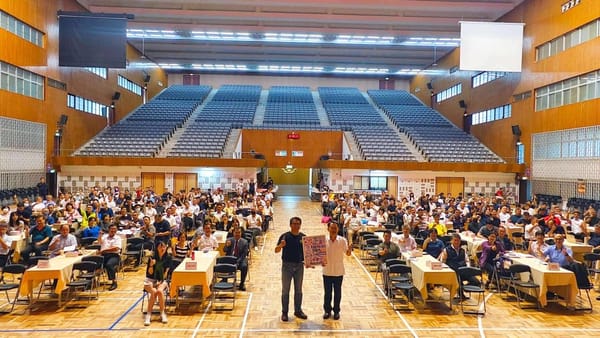
4. Announce presentations upfront When introducing the discussion task, mention "we'll invite groups to present afterward." This instruction makes participants take discussions more seriously. While time constraints might not allow every group to present, never break your own setup—maintain the possibility that any group could be called upon for maximum effectiveness.
Beyond these four essentials, there are additional refinements that enhance results: selecting appropriately challenging questions, choosing background music during discussions, effective room monitoring techniques, incorporating team dynamics to encourage more enthusiastic presentations, adaptation methods for large venues or rooms without tables, and optimal group sizing (smaller groups for large venues, medium groups for smaller spaces). I'll share these details in future opportunities.
Why I Started with This Method
Small group discussion is the first teaching technique I'm covering in "The Art of Teaching" series—that shows you how crucial this method is! Especially in corporate training environments, facing experienced participants who might approach with an attitude of "Let's see what this instructor has to say..."
Small group discussions effectively transform the one-way instructor-to-student dynamic. They put the learning ball in students' court, getting them talking, writing, and thinking. Then the instructor reclaims control to provide insightful, organized synthesis. The more professional the learning environment, the more valuable this method becomes.
After ten years of corporate training experience, this is absolutely a priceless technique. I'm sharing it with you now. The key is applying it effectively in your own practice.
See you next time!